



This blog is inspired by a post I recent read in which a writer asked "how do I find an agent who publishes fictional novels of non-magical fantasy?" The writer then went into great detail about why this piece was fictional and why it was fantasy when it had no magic in it.
We’ve all done it. When writing our first "salable" piece of fiction, or trying to sell it, we spend time trying to figure out where our stories fit or what terms to use when describing them. We obsess about it, to the point that we’re spending more time to find our story’s niche than we are trying to actually sell it. Some of the questions new writers ask may seem foolish to a published author. But we have to remind ourselves that we were all in that emotional place once. And it is an emotional place, because reason has no control here. This is our baby, our first real piece of fiction, and no author is rational about that first piece.
Let me just say that I know where this writer is coming from. I write fantasy and I have written a piece that didn’t have magic in it. One of my critiquers informed me that I was writing regency (when I wasn’t) and that my book had to have magic in it to be fantasy. Which makes me wonder, how many people make that mistake? Another time, I wrote a comic tragedy (it was published this year) which was mistaken for horror.
So what is it about genre that confuses people? In fact, what is it about fiction that confuses people?
One response to the writer above was "All novels are fiction." Which brings up a good point about semantics. How many people think biographies, histories, and self-help books are novels? According to the dictionary, novels really are pieces of fiction. There is a difference between a history and a novel. And then you have the historical novel, which is a valid genre, but the term totally confuses people who don’t know anything about genre fiction.
So what’s going on here that people are writing books without understanding the genre breakdown? Do they not read genre fiction themselves? Or have the lines been blurred so much that it is nearly impossible to tell what a genre description truly is?
Fantasy, for instance, is a more generic genre description than writers may realize. Under Fantasy is Epic Fantasy, High Fantasy, Urban Fantasy, Paranormal Fantasy, Historical Fantasy, Dark Fantasy, Science Fantasy (a term of my own invention, which I will explain later). Science Fiction includes Space Opera, Hard Sci-Fi, Soft Sci-Fi, Steampunk (yes, Steampunk is considered science fiction unless magic is added).
Is Alternate History fiction considered Fantasy or Science Fiction or Historical fiction? What about Paranormal Romance? Does it hide under Romance or Fantasy?
See, this is where it gets really confusing, for both new and old writers. Readers’ tastes are changing, becoming more complicated as time goes on. It has been acceptable for years to write cross-genre fiction and cross-genre fiction seems to me to be more popular than straight genre fiction.
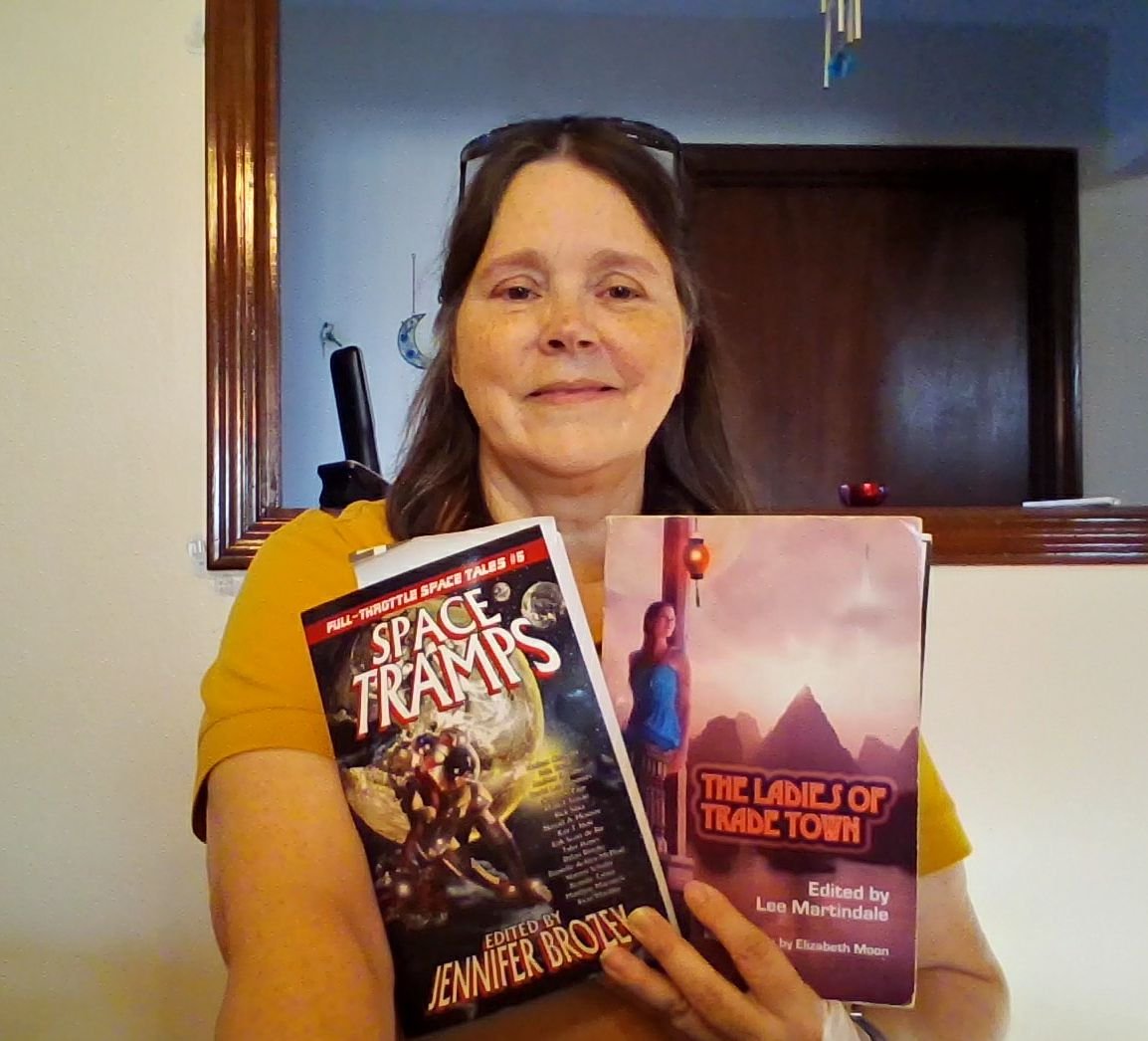
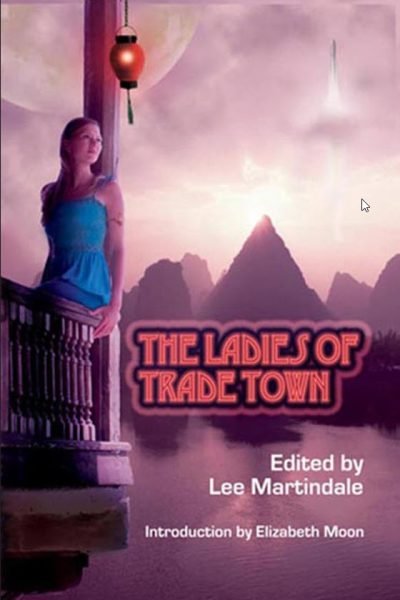
This is where I come to the phrase Science Fantasy, a fantasy story with soft sci-fi elements in it or a science fiction story with fantasy elements. "Silk and Steam," in the upcoming Ladies of Trade Town anthology, is a Steampunk (science fiction) story with magic. Therefore, I consider it Science Fantasy. Catherine Asaro’s "Saga of the Skolian Empire" I would also consider Science Fantasy since it uses the fantasy elements of psionic abilities in it. But it’s debatable whether psychic abilities are fantastical or not.
Then there are the genres that don’t exist. For example, Baen Books has a policy that they don’t do YA books. YA (Young Adult) isn’t a proper genre, it’s more a function of word count, language usage, violence / sex level usage, writing style, and packaging. But many writers don’t acknowledge that. Every conversation I’ve overheard where YA is discussed, it’s referenced as if it’s a genre.
Writers shouldn’t obsess about where their stories fit, but they do need to understand the genre possibilities. Without that knowledge, the book can’t be properly targeted to the agents, the publishers, or the readers. If writers really want to understand how the book should be marketed, they not only need to read, but they need to locate the books that inspired their own work or that are most similar to their own work. Find out how the bookstores or the book websites classify those works. Discover who publishes and agents those works. Then start the query process at that point, with that information. If the writer can’t classify his or her own work, It usually tells agents and editors that the writer has overwritten their work, trying to make it too many things at once, and needs to do a serious re-write.
Or it tells them that the writer doesn’t read.
To find out more information about genre styles, I recommend sites like http://absolutewrite.com/forums or picking up a Writers Market book, which has genre explanations in it. Also, various professional writers associations like the Science Fiction & Fantasy Writers of America, The Horror Writers Association, The Romance Writers of America, or the International Association of Media Tie-In Writers have publicly accessible articles on genre identification for their particular market.
One Response
“The Glasswright’s Apprentice” is fantasy because it is period fiction set in a secondary world. The series deals with gods and medieval concepts, not science fiction or alternate history. Hence, it can’t be anything but fantasy.
Fantasy has nothing to do with a book being in a series or not.