



I have a thing about titles. They aren't just decorations to me. They mean something, tell the reader something about the story.
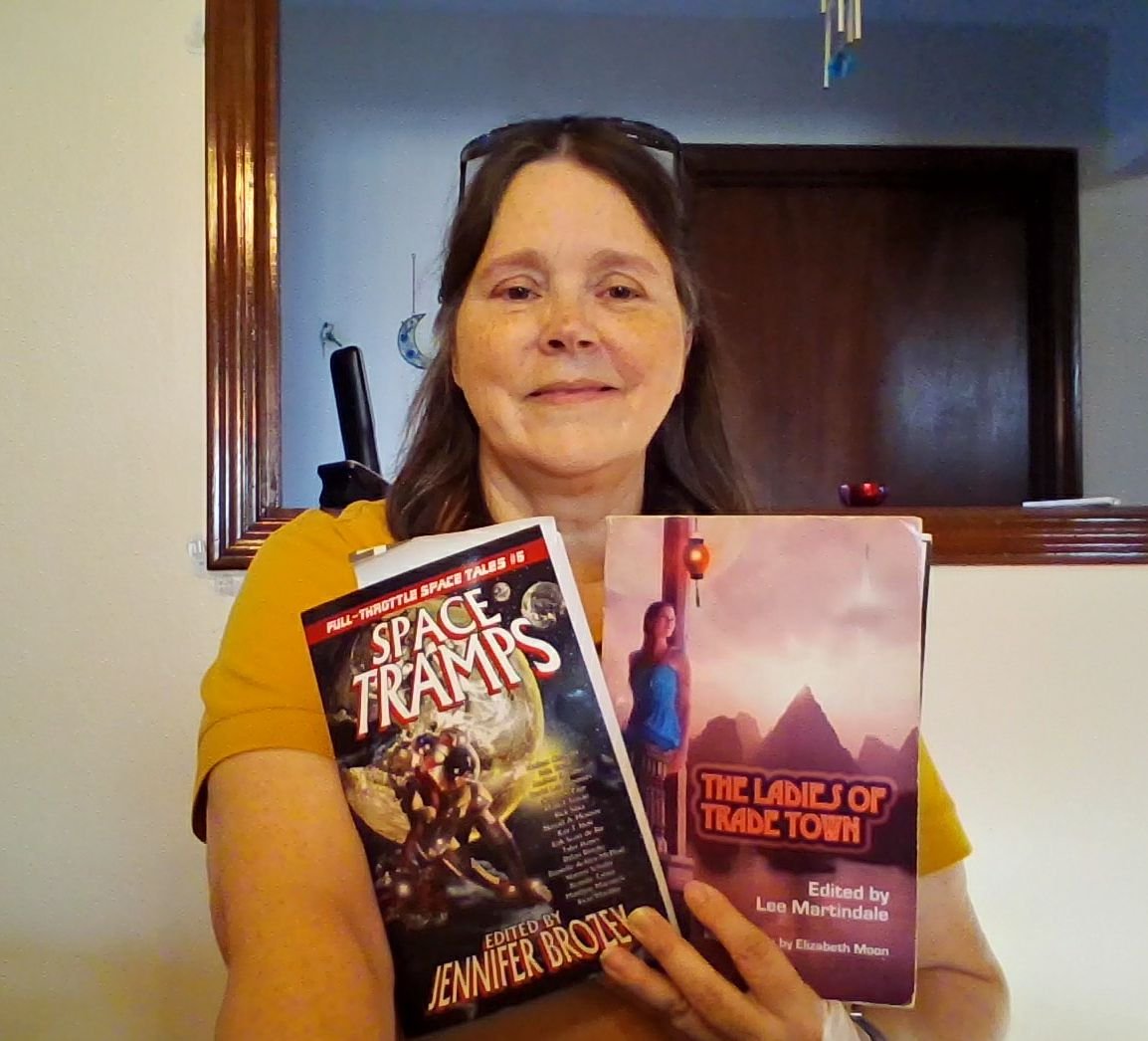
"Two for the Price of One," a sales slogan, was the title for my Transformers story. I picked it deliberately because the main character is a Decepticon named Swindle, who is the consummate sales man. In the original cartoon series, Swindle sold his Combaticon brothers for scrap after a battle with the Autobots. In subsequent cartoons and comics, Swindle was known for selling Cybertronian technology, scrounging parts, and basically being more dedicated to his pocketbook than the Decepticon cause. In "Two for the Price of One," Swindle offers to sell the same set of weapons to two different groups of people. When he gets betrayed by both groups, he deals out a poetic comeuppance to all the players and ends up the only one who comes ahead.
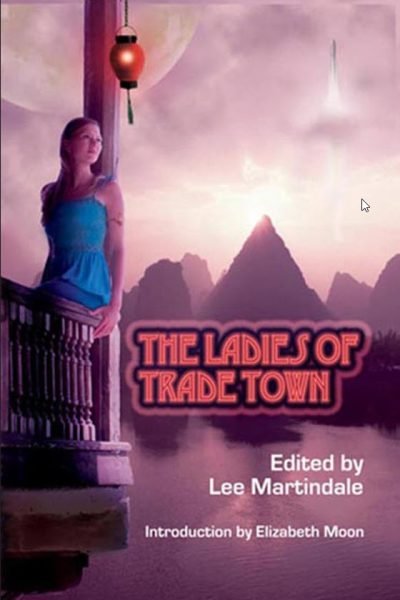
"Just My Luck," is a story about Captain Sheldon, the unluckiest pirate on the World Sea. He leads a crew of misfits who know nothing about sailing and are the worse pirates ever. Through the course of his adventures, everything that can go wrong does go wrong. Unbeknownst to Sheldon, though, his bad luck is actually good luck in tiny little doses. In a battle of ninjas verses pirates, Sheldon loses a priceless treasure, but gains a crewman who actually knows how to fish.
I'm not just writing this post to promo my work. I'm semi-ranting about otherwise brilliant stories that have nothing to do with their titles, and I don't like to use other people's work for examples without their permission. When I buy a book, I buy the whole package. Cover art, title, cover blurb, and everything between the front and back covers. Now, I can deal with odd cover art that doesn't quite feel right with what's between the covers, but I don't often pick up a book with bad cover art. The cover art and the title, together, is my first impression. These are what get me to check out the blurb and the book, unless the author is one that I already know I like.
If you watch the t.v. show Ringer, you'll notice the episode titles often come from a spoken line of dialogue in the episode. It's cute, but I don't appreciate it. It's not as clever as the show's writers think it is. If they're going to use a one-liner as a story title, they need to make the one-liner a re-occurring theme that pops up on several different levels. Or make it a thread that ties the whole episode together. This is what a good title does. Maybe the readers don't know the importance of the title when they see it, but by the end of the story, they feel it in their gut. And if they recognize the story meaning in the title, they ooh and aah in impressed silence when they close the cover for that final time.
Titles shouldn't be throwaway things. And they shouldn't be forgettable. They should be quirky, catchy, memorable, and meaningful. Like a James Bond movie opening theme, that initial impression should spell out the story for those who are paying attention. When this doesn't happen, I find myself disappointed with the stories and less likely to read the author's future work.
So, share with me your thoughts on story titles. Do you agree or disagree with my thoughts and why?
5 Responses
Titles
Agreed. If I come up with an idea for a story – I need to name it. Like a child in the womb, this bundle of joy is usually given a name before entering the world. Every name has a certain vibration – titles are no different. Great post, Brandie!
I agree that titles are important. I tend to find them one of the most difficult parts of writing, actually! I was fortunate with my upcoming Musa novella that a phrase that showed up in the story turned out to fit it in more than one way, I thought. I went through probably half a dozen tries before finding the right one. Sometimes I never find quite the title that satisfies me.
Agreed! I love symbolism, so I’m all about making the title mean multiple things that go way deeper than the reader realizes until the end of the story. I love as a reader finding that out at the end. Poems, I find, are particularly great for meaningful titles! We do a poem analysis technique with my freshman called TPCASTT, where the first and last T represent Title. Look at it before you read and guess what it’s about; then look at it after you read and contemplate what it really represents. 🙂
In this day and age, a title can make you stand out or be lost in the crowd. I find it interesting why you chose such commonplace sayings as the above to name your stories.
I know it is near impossible to give your story and completely original name. And yes, it should tell us something about that story.
I think a quote or word from the book is as good a place to start as any. And sometimes just as good to finish there, too. 🙂
Hi. It’s Sharon Bidwell here. 🙂 Having driven myself NUTS for over 24 hours to start the week ‘just looking for a title’ I understand complete what you are saying and feel your pain. The perfect title can be so elusive. It’s your book in a nutshell and the very start of your sales pitch. Second is the cover most probably. Trouble is, just like writing itself, all these things are subjective — what one person likes another doesn’t — but I do put a lot of thought into titles and names. I’m a writer who struggles to begin without a title and/or names in place, so for me it’s a very important part of the process. I may change things along the way, but I seldom do because I’ve usually pinned that down first.