NOTE: This article comes from a writer's perspective. I have never edited an anthology so cannot speak to the difficulties or experiences from that side of the work.
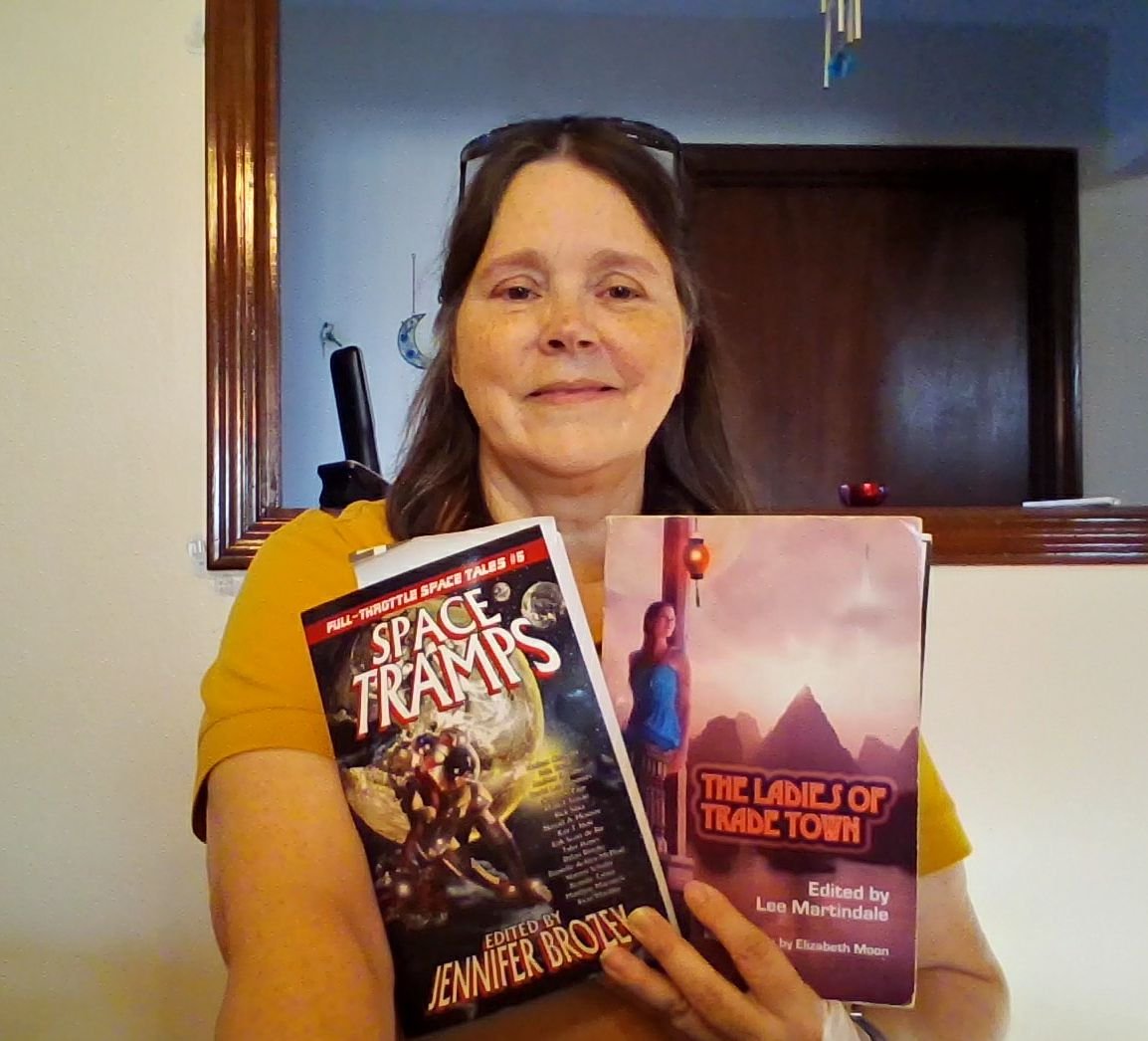
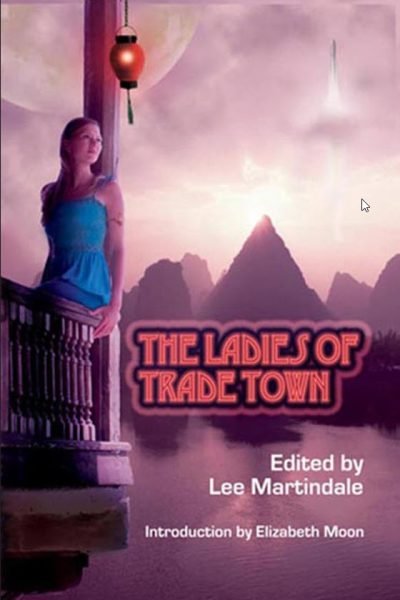
Since 2004, I have contributed to nine anthologies (two of which are not yet published), not counting the multi-author Shadowrun sourcebooks I've worked on, and worked with eight editors and seven publishers during that time. There are many things I wish I knew those first few times, but alas, I didn't think to ask the questions, let alone look for the answers.
First, there are 2 & 1/2 kinds of anthologies: Open Call, Private Invite, Invite Only-Open Call (1/4), and Partial Invite-Open Call.
The Open Call anthology, so named because the publisher or editor will publicly post the submission guidelines and invite the world and the world's brother to submit, the Invite Only anthology, so named because the editor / publisher contacts a specific list of authors asking them to submit a story for the anthology and no one else gets a shot, and the 1/2 versions of both these. The Invite Only-Open Call is a hybrid situation in which a specific subset of writers get an open call (such as members of professional writing organizations), but are asked not to share the information with anyone outside their circle. The Partial Invite-Open Call is a situation where a certain number of authors are asked if they want to contribute, then once that list is filled, the anthology is thrown open to all comers to fill the rest of the slots.
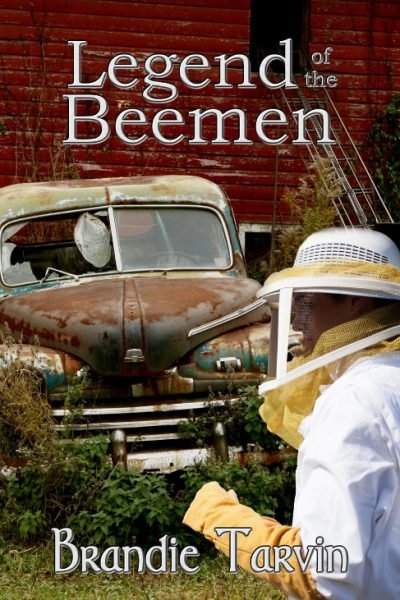
The first thing I learned is that just because you are invited to contribute to an anthology, that does not guarantee that your story will be in the anthology. I received an invite to Jennifer Brozek's Close Encounters of the Urban Kind many years ago, and I tanked the story. Intellectually, I knew it wasn't a sure thing, but after four invite anthos where I did get published, the rejection hit me hard. Fortunately, the story was salvageable. I fixed it and after a few more rejections, Legend of the Beemen was picked up by Musa Publishing as an ebook slated for a 2012 release.
The second thing I learned was that different editors have different quirks. Some are harsher than others (learn to love the red ink!). Some will let you get away with murder (or very bad jokes) in a story. Some have flexible deadlines, some deadlines are strict. If you write about subject matter that the editor knows extremely well, be prepared for a very thorough nitpicking.
Lesson number three: Interestingly enough, there are editors who will let you go over word count and there are editors who will stick to their guns, slicing your story apart to help you get it to word count. One of my editors let me go above word count on the first antho he used me for. Not so the second time I worked with him, though. The third story I'd ever written had so many changes, I thought he hated me.
And there's lesson four. Anthology editors do not hate you. No matter what they do to the story, say about the characters, or change in the final draft, it's not personal. They are trying to make the story fit into their vision of the anthology. They would not have accepted the story if they didn't like it. (Most of the time. I won't get into exceptions here.)
Lesson number five was that anthologies do not use the same contracts. Contracts change from publisher to publisher. I've had contracts as short as one page and as long as 18 pages. Payment terms also vary. Some anthologies pay a flat fee, some a per word up to a max word count, some pay per word as an advance with pro-rata royalties later, and some pay just pro-rata.
I learned not to sign contracts before reading and understanding what they meant. Contracts, even one page contracts, can be complicated.
Example: One contract held me responsible for all legal fees if the publisher got sued over my story. To quote "The Author agrees to indemnify the Magazine and its parent companies for any and all litigation costs, arising out of the publication of the Story or dispute arising from this Agreement." This is NOT standard contract language, folks. I had several people check this language out and they all agreed it was Bad for Brandie if I signed. Needless to say, I lost a sale because I refused to sign that contract and the publisher refused to alter the language to industry standard. I felt horrible at the time, certain I'd never get this story published. Two months later, the publication folded and I not only had my story, I still had all my rights.
Oh, yes, anthologies steal rights! Well, steal isn't the correct word. But with the same publisher as above, they basically tried to grab every right in existence: movie, television, audio, action figure (say what???), etc. Kevin J. Anderson has a great story he shares about a Star Wars anthology and "impossible contract clauses". If you ever get a chance to hear him speak, ask him about it. Lesson: Read Your Contract. Understand Your Contract. Get Someone Else To Help You If You Don't Understand The Contract. And keep as many of your rights as you can, which leads to Negotiate Your Contract. The worst they can do is say no.
FYI: That sale I lost? Two weeks ago, I sold the story in question to another magazine with much better terms and a guaranteed Professional payment rate.
Which leads to the next lesson I learned, don't accept an offer that is uncomfortable or completely different from the expected offer. If one person wanted that story, then odds are someone else will want that story too. It may take a while, but patience pays off.
The last lesson (for today's post) is this: When you contribute to a multi-author anthology, your name is not on the front cover unless you're already a star writer. If you're lucky, it makes it to the back cover. Otherwise, it's hidden in the table of contents. What this means is it is Damn Difficult to sell anthologies direct at conventions, bookstores, and other events. People just see you as another book seller. Customers walk by the table, barely glancing at the books, because they don't recognize the names they do see. Anthologies do not equal name recognition among readers. Only the editors and publishers will remember you contributed to that book, and they will remember you by your behavior during the writing process, not by your story material.
Sigh. Name recognition… I really need to finish rewriting my novel.
Next week, I'll post thoughts on how to actually write for one of these anthologies.